2022
Displaced: The Ukrainian Refugee Experience
Interviews with 45 refugees at JCC Krakow
Eight weeks after Russia’s invasion of Ukraine, 10 million people had been displaced from their homes, and three million had crossed the border into Poland. Tamar Jacoby arrived in Kraków intending to volunteer, maybe ladle soup or unpack boxes. Instead, she interviewed several dozen displaced Ukrainians. Some came from places where the war was raging—nonstop shelling, tanks in the streets. Others, often no less traumatized, had traveled from cities largely untouched by fighting.
It wasn’t easy to listen to their stories. The pain and loss they had experienced sometimes seemed beyond comprehending. Still, in the end, what came across most powerfully was their determination and resilience. The hardest question they faced: what lies ahead? Is this just an interlude, a temporary stay abroad? Or am I starting a new life—starting over from scratch?
2017
This Way Up
New Thinking About Poverty and Economic Mobility
More than 50 years after the War on Poverty, 20 years after welfare reform, 15 years since President George W. Bush created a federal office to coordinate faith-based efforts to fight poverty, the challenge is more pressing than ever: how to ensure economic mobility for all Americans—the very poor, both urban and rural, and a neglected working class struggling to keep up with globalization.
What follows are some of the best new ideas. Some address policy, state and federal. But most look beyond government to harness the power of communities—solutions driven by choice, competition, faith, public-private partnerships, and empowering individuals to make the most of their opportunities.
1988
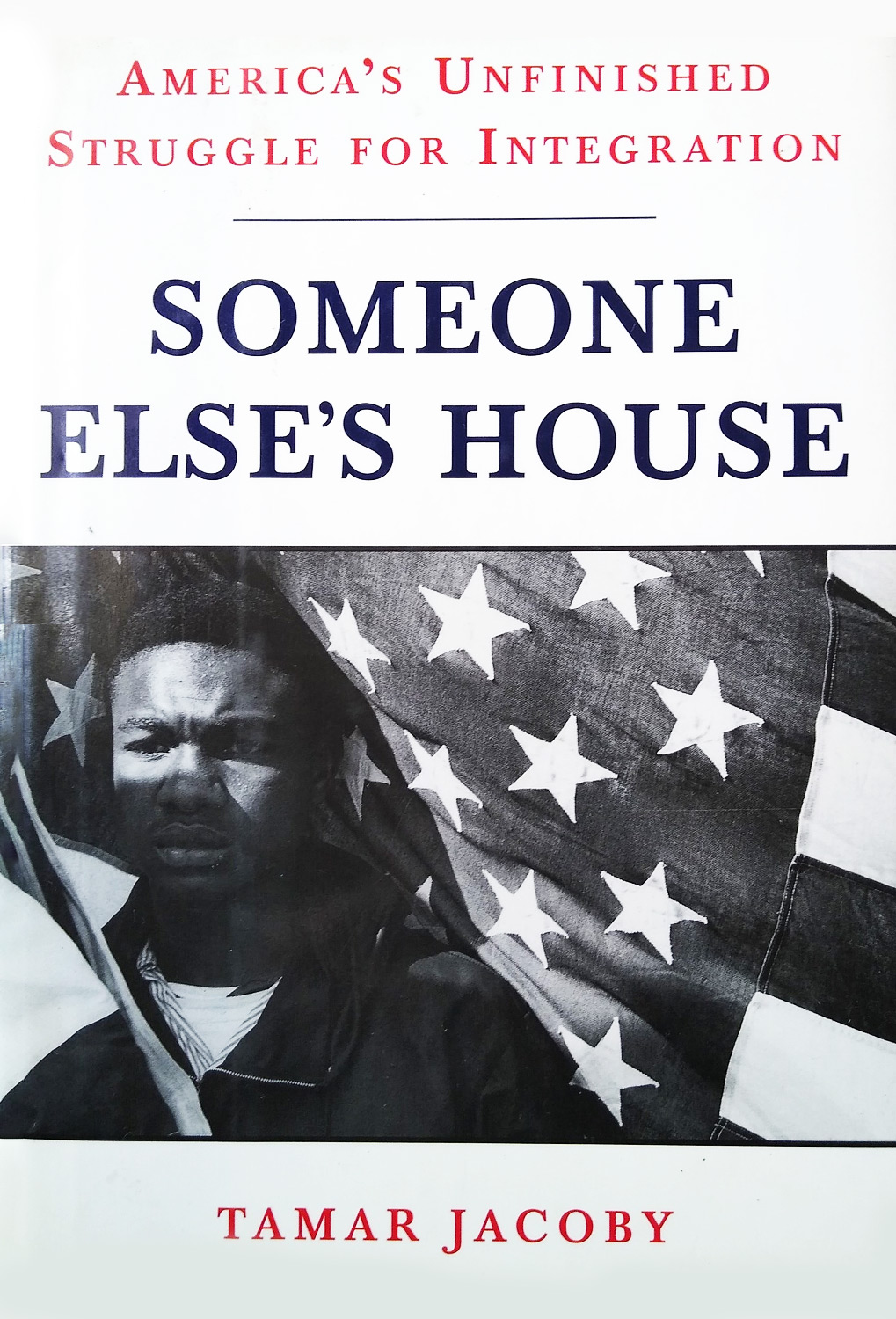
Someone Else’s House
America’s Unfinished Struggle for Integration
Thirty-five years after the 1963 March on Washington, blacks and whites are still trying to achieve Martin Luther King, Jr.’s historic dream of racial inclusion. What ever happened to integration? What happened to the vision of a single, shared community in which both blacks and whites would feel they belong? Barriers have fallen; prejudice is abating. Blacks have made astonishing progress in many areas. Yet if anything, King’s vision seems more remote than ever, and most Americans, black and white, remain divided by anger and mistrust. In Someone Else’s House, Tamar Jacoby asks what happened to the King dream, calling the nation back to its most hopeful and promising ideal of race relations. Moving beyond the stale blame game of left and right, Jacoby uses history to show what’s worked and what hasn’t.